

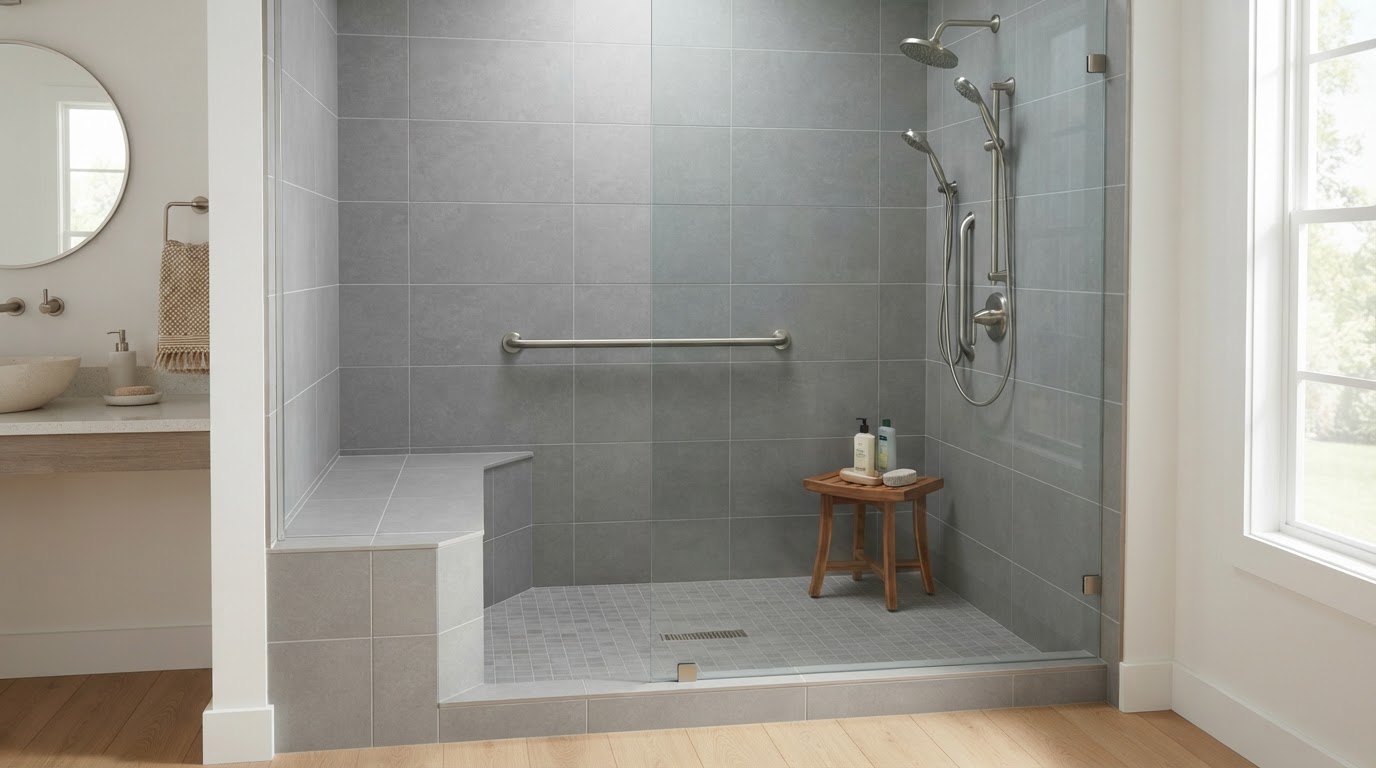
It is one of the most requested bathroom projects in the Bellevue area, and the reasons are usually practical. The tub never gets used. A parent is moving in or visiting more often, and stepping over a high tub wall has become a real worry. Or the bathroom just feels cramped and dated. A tub-to-shower conversion solves all three, but it is worth going in with clear eyes on what it costs, how long it takes, and when it is the wrong call.
What a Conversion Actually Includes
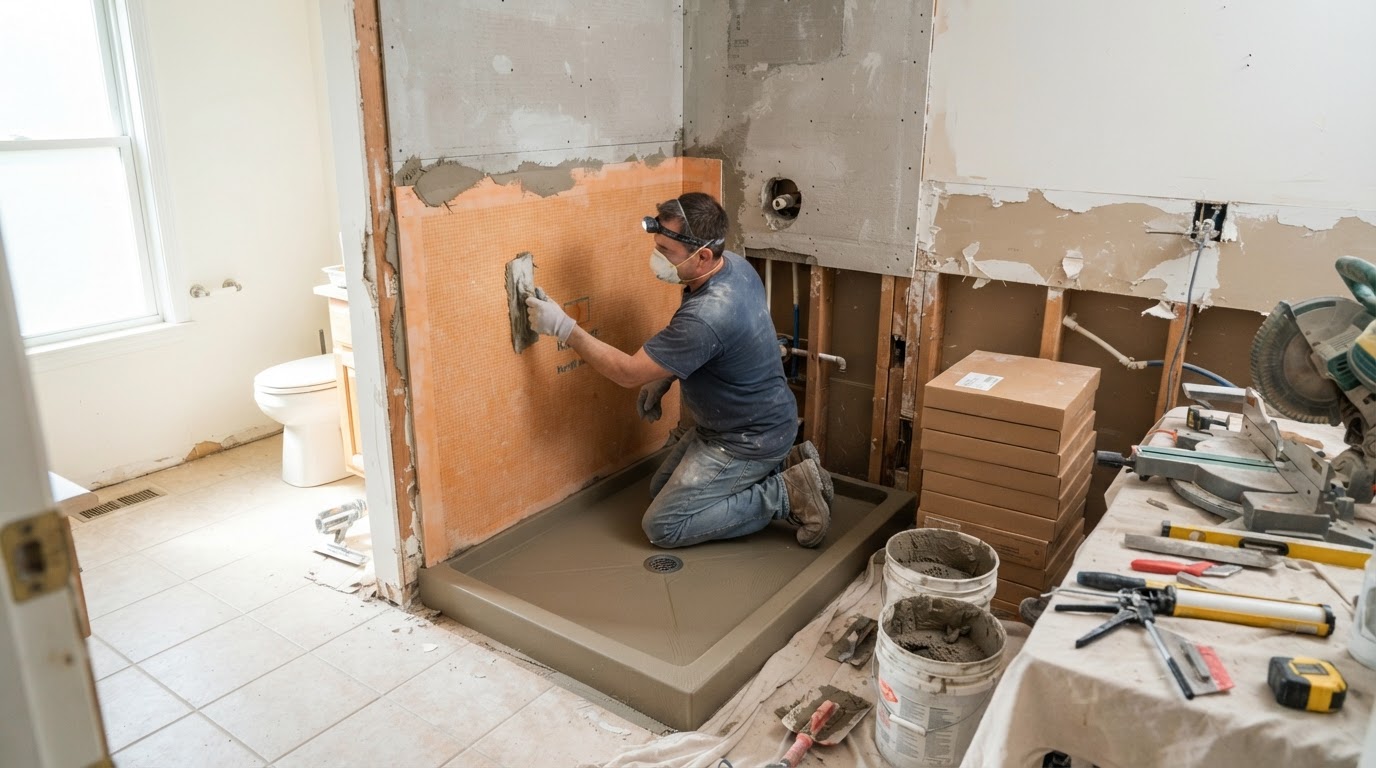
The old tub comes out, the drain and valve get reworked for a shower, the walls and floor of the wet area get a proper waterproofing system and shower pan, and then the finish goes on: tile or a surround system, the shower fixtures, and a glass door or panel if you want one. There are two tiers. Insert systems use pre-made acrylic or fiberglass walls and go in fast at the lower end of the price range. A full tiled conversion takes longer and costs more, and it is the one that lets you choose the size, tile, bench, niche, and curbless or low-threshold entry, and it is built to last decades.
What It Costs in the Bellevue Area in 2026
Most full tiled conversions in our area land between $8,000 and $18,000. Simple insert conversions can come in below that range, and large primary-suite conversions with high-end tile, a bench, and frameless glass run above it. The biggest price movers are tile choice, glass, and whether the plumbing stays in the same wall, which it almost always can in a conversion. Our bathroom remodel cost guide breaks down where the money goes on bathroom projects generally.
How Long It Takes
An insert conversion is usually one to three days. A full tiled conversion runs about one to two weeks of work: demolition, plumbing, waterproofing, tile, and grout, each with drying and curing time that cannot be rushed without risking the waterproofing. One scheduling note homeowners never expect: custom glass is measured after the tile is finished, and fabrication takes one to two weeks, so the shower may be usable with a temporary curtain before the glass arrives and the job is truly complete.
The Case For Converting
- Safety. A low or curbless entry, a bench, and grab bars remove the most dangerous step in the house for older adults: climbing over a tub wall with wet feet.
- Daily use. Most adults shower nearly every day and bathe rarely. Converting puts the money into the fixture you actually use.
- Cleaning and space. A walk-in shower is faster to clean and makes a small bathroom feel noticeably bigger.
- Aging in place. Done with grab bars and a handheld shower, a conversion lets a homeowner stay independent in their home years longer.
The Honest Case Against It
There is one rule worth knowing: keep at least one tub in the house. If this bathroom holds your only bathtub, converting it can narrow your buyer pool later, because families with small children strongly prefer a home with a tub. In a two-bathroom home, converting the primary bath and keeping the hall tub is the best of both worlds. The other caution is for very tight budgets: a cheap insert over a failing bathroom does not fix the water damage that is often hiding under an old tub, and a good contractor will open it up and show you what is actually there.
Features Worth Adding While the Walls Are Open
A conversion is the one chance to add blocking inside the walls for grab bars, even if you do not mount the bars today. A bench, a recessed niche for bottles, a handheld shower on a slide bar, and a quality thermostatic valve all cost little during the project and a lot to retrofit later. Decide them before demolition, not during.
Frequently Asked Questions
Will removing my only tub hurt my home's resale value?
It can. Real estate agents consistently advise keeping one tub in the home for families with young children. Converting a second bathroom's tub, or the primary while a hall tub remains, avoids the issue entirely.
Can a tub-to-shower conversion be done in a weekend?
An insert system, sometimes. A tiled conversion, no. Waterproofing and tile need curing time between steps, and rushing those steps is exactly how showers end up leaking within a few years.
Is a curbless shower possible in a conversion?
Often, yes. It depends on the floor structure and how much height there is to work with below the bathroom. It is one of the first things we check at the estimate visit, because curbless entries are the best option for long-term accessibility.
Does insurance or Medicare pay for a conversion done for medical reasons?
Typically not. A conversion is classified as a home improvement even when the reason is mobility, so it is almost always an out-of-pocket project. Some local assistance programs help seniors with safety modifications, and it is worth asking your city or county housing office what exists.
Ready to Start Your Conversion?
Get an honest assessment, clear pricing, and a 5-year workmanship warranty from our expert team.